
Gardening 101
Basic gardening building blocks to get you started
Last updated on 22 June 2026
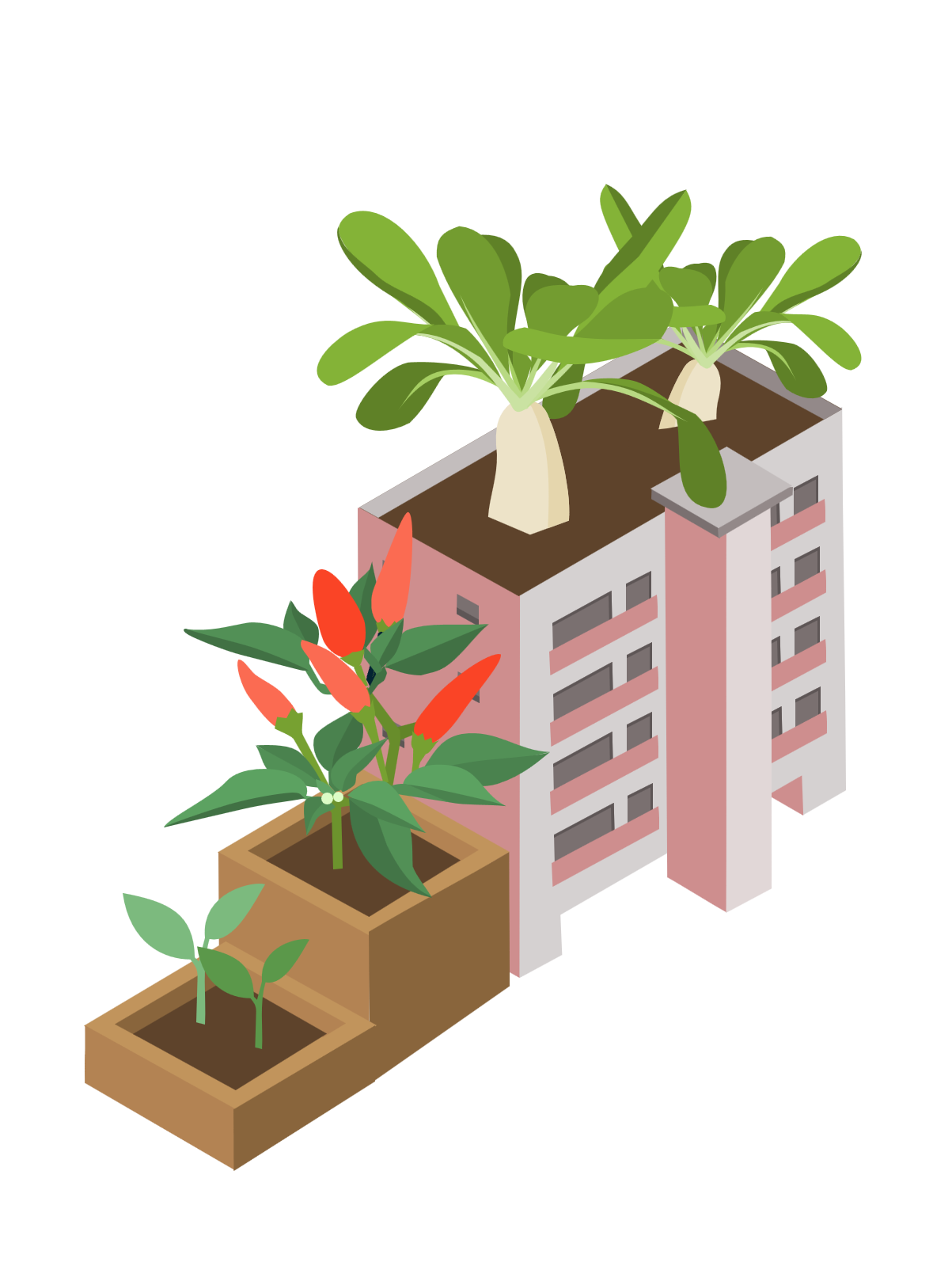
Where can I garden?
Here are some places you can garden in Singapore:
At home: Use spaces near windows, balconies or under grow lights
In community gardens: Join a Community in Bloom garden at your residential estate, condominium, school or workplace
In allotment gardens: Ballot and rent a plot under the Allotment Gardening Scheme
What do most plants need to grow?
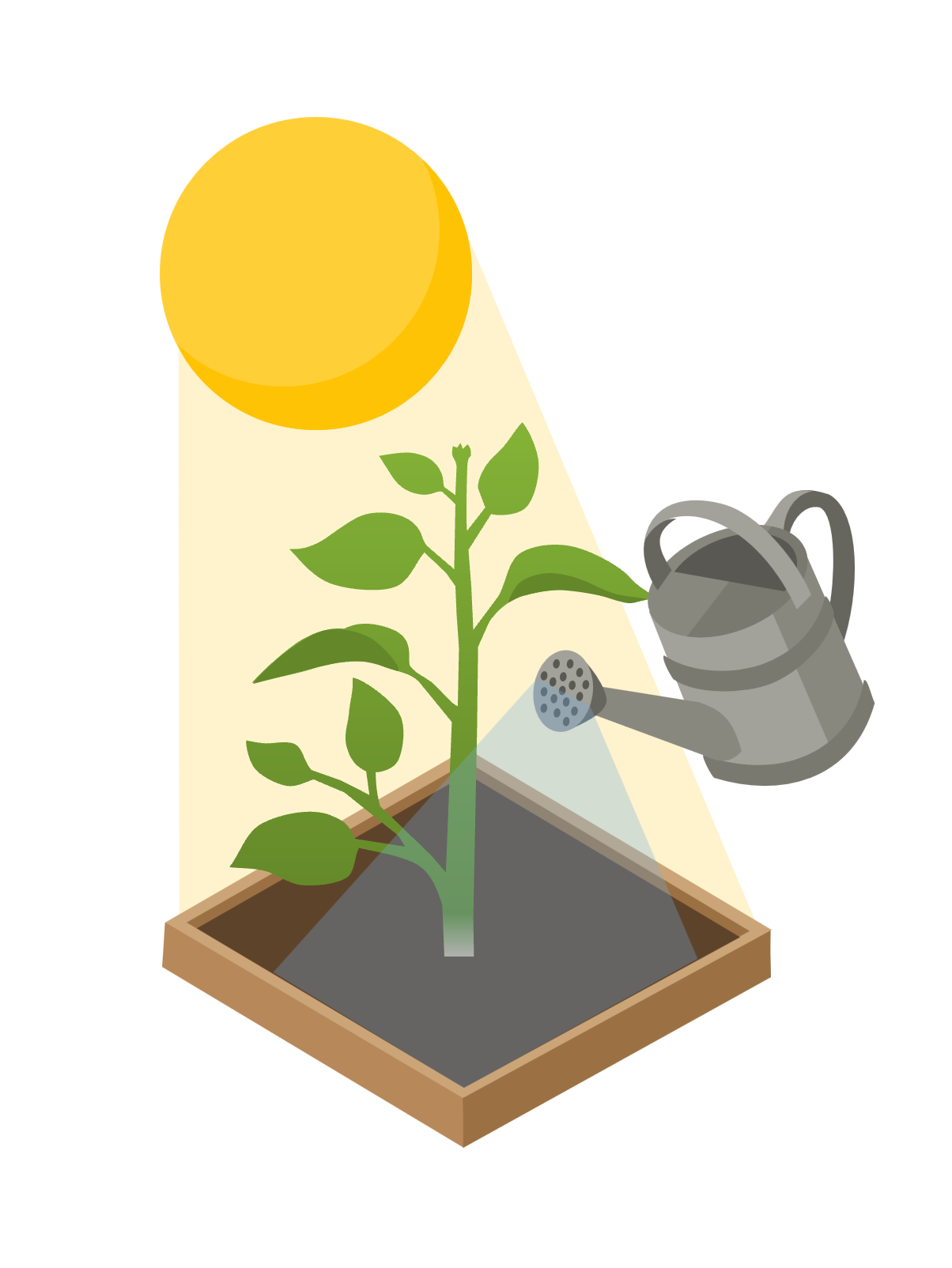
Understanding how plants produce their own food helps you care for them better. Through photosynthesis, plants use light energy to convert carbon dioxide and water into chemical energy in the form of glucose, and releases oxygen as a byproduct. Glucose provides one of the basic components for plants to grow new leaves, stems and other parts.
Learn the about the roles that light, water and soil play in keeping your plants healthy and growing.
Light: The amount of light in your space determines what plants you can grow.
Water: Beyond photosynthesis, plants need water for structural support (turgor pressure), to transport nutrients from the soil, and to regulate their temperature through transpiration.
Soil: Healthy soil holds nutrients and water that your plant needs.
What can I grow?
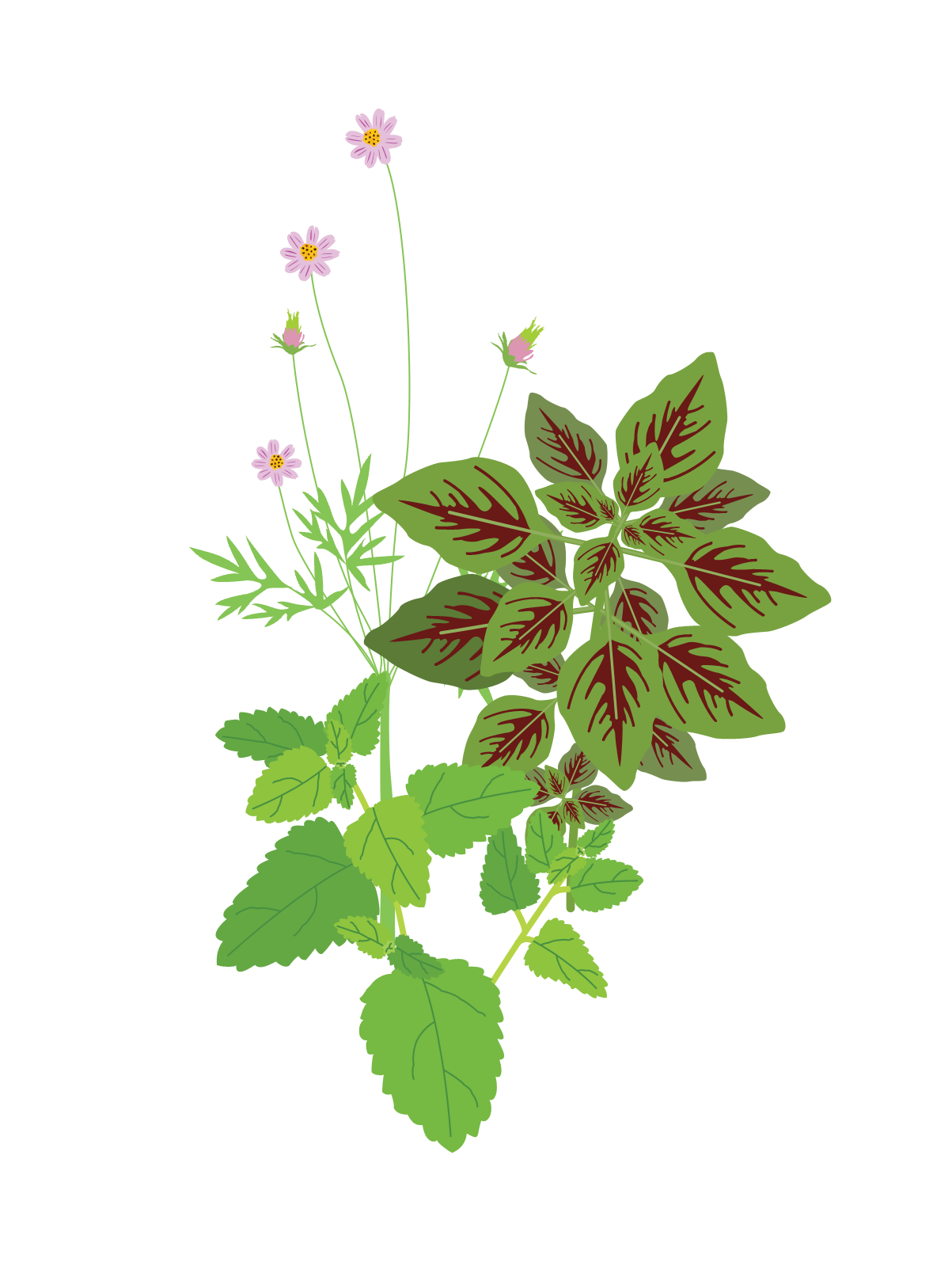
All gardeners begin somewhere! The easiest plants to look after are ones that can thrive in the environment you already have. For gardeners in Singapore, this means tropical plants that can cope with high heat, humidity and rainfall.
Of these plants, some grow better in lots of light, while others might need shade. Figure out how much light you have, and you will then know what you can grow. Use our plant suggester tool to see what plants can survive in the amount of light and space you have.
If that list is too overwhelming, here are some plants that are able to survive in a large range of conditions in Singapore, and are generally pest-resistant:
Essential gardening skills
There are a few skills every gardener should have. They are:
Once you have mastered these skills, you may want to expand your horizons by trying more advanced techniques. Check out our various horticulture techniques pages to get your hands dirty!