
Horticulture techniques
Companion Planting
18 July 2023
Gardening skills
Edible gardening
Pest management
Soil & nutrition
Others
Groundcover
Pollinator-attracting
Companion planting is a simple way to create a more resilient garden. Learn how growing different species together—like pairing nitrogen-fixing legumes with leafy greens or using groundcovers as living mulch—can naturally improve soil health and boost your harvest.
Companion planting is the practice of growing different species of plants together to have them benefit off each other. Having a variety of plants grown together is called polyculture. This method of cultivation is more resilient compared to traditional monoculture, which features garden beds that only grow one kind of crop.
.jpg)
There are many ways to companion plant, but the most common are:
Growing pollinator-attracting plants
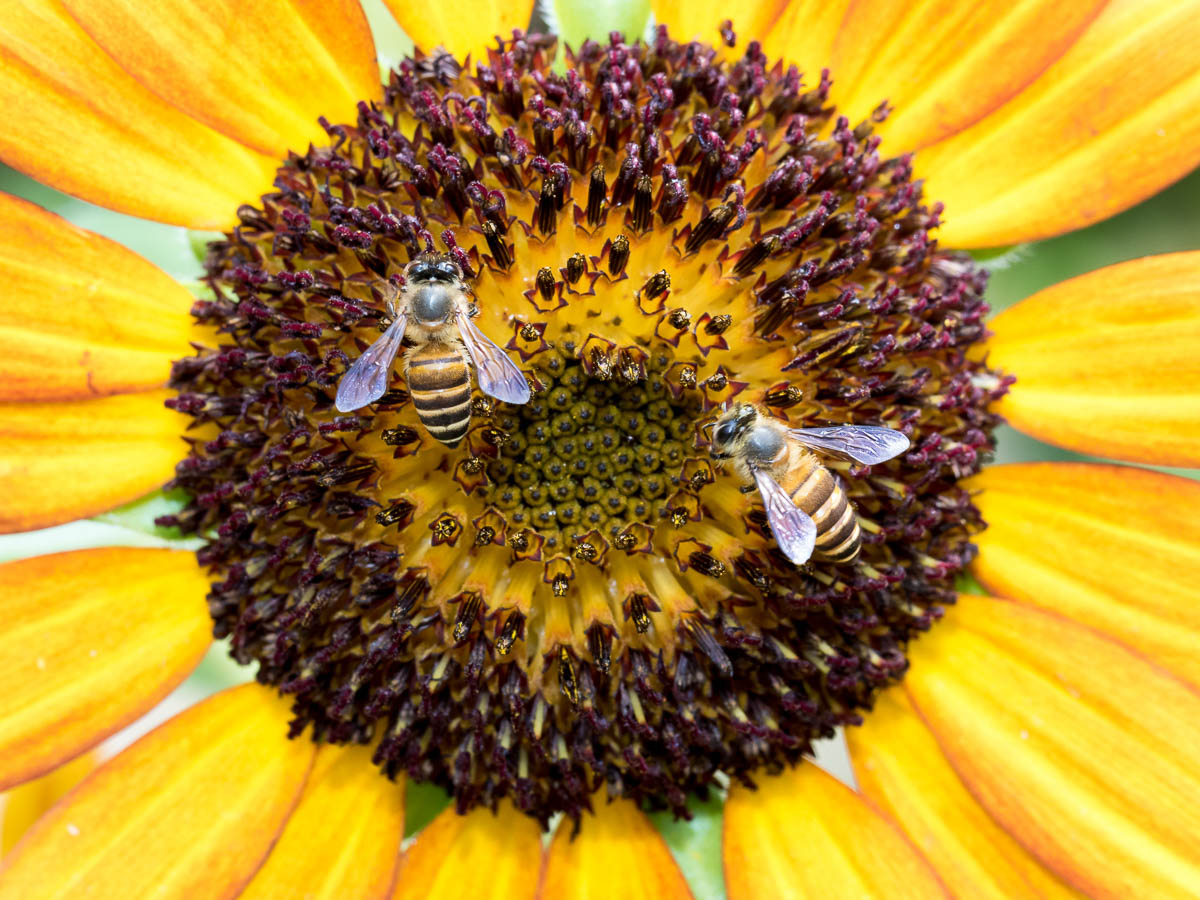
Many crops like tomato, brinjal, cucumber and long bean need pollinators to form fruit. Providing nectar-rich flowers throughout the year in your garden will attract bees, butterflies, and birds to your garden, and ensure that your plants produce plenty of fruit. These flowering plants can be arranged as a border in your plot or in between your crops.
Some common pollinator-attracting plants used for companion planting include:
Purple snakeweed (Stachytarpheta jamaicensis)
False heather (Cuphea hyssopifolia)
Golden dewdrop (Duranta erecta)
Sunflower (Helianthus annuus)
Thai basil (Ocimum basilicum)
Growing legumes to fix nitrogen
.jpg)
Legumes like long bean, winged bean, peanut will fix nitrogen into the soil via their root nodules. Nitrogen is a key chemical needed for plant growth. Having a few legumes near nitrogen heavy feeders like kai lan, lettuce and other leafy vegetables will encourage these crops to grow more leaves and increase their yield. Legumes are used in a similar way in crop rotation to improve soil fertility of annual crop beds.
Some legumes used for companion planting include:
Butterfly pea (Clitoria ternanta)
Peanut (Arachis hypogaea)
Winged bean (Psophocarpus tetragonolobus)
Long bean (Vigna unguiculata)
Growing groundcovers as a living mulch
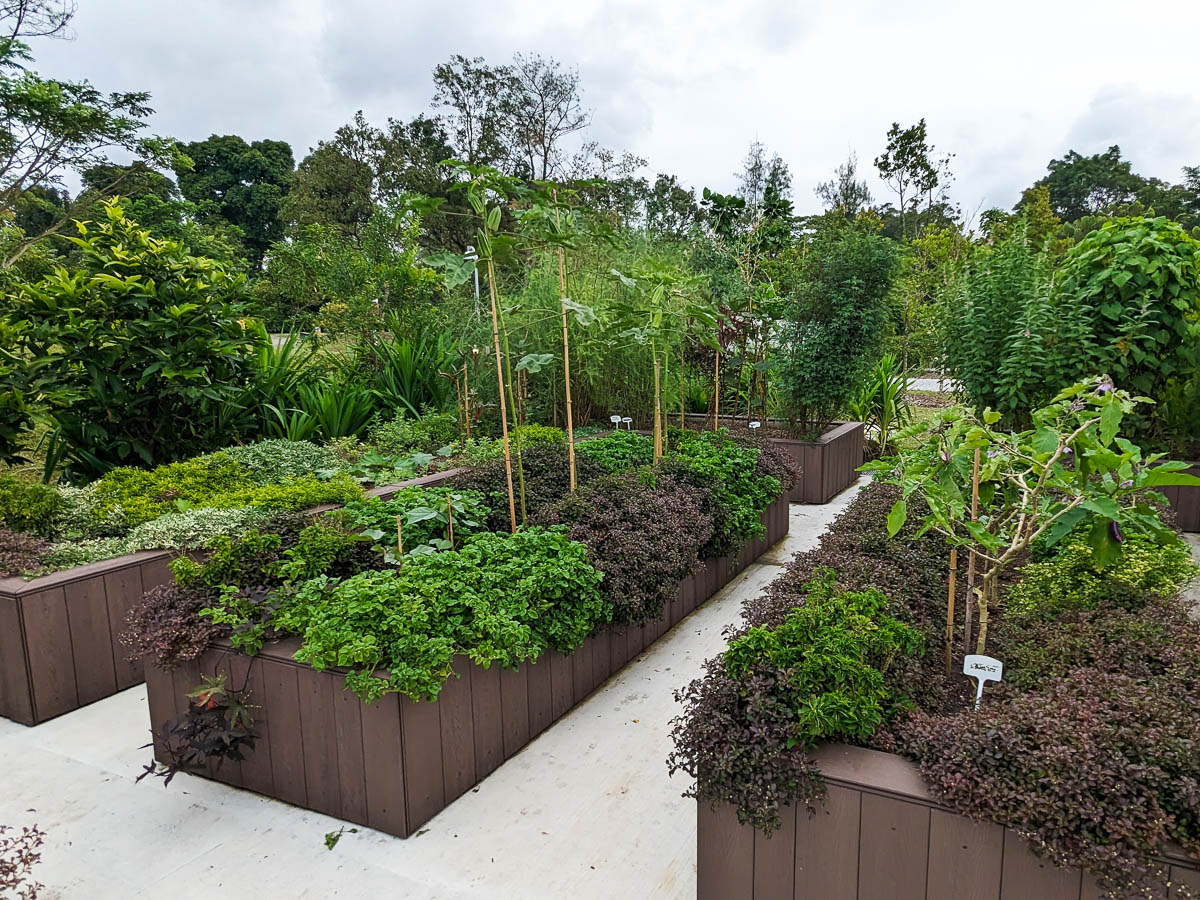
Covering the soil with organic or inorganic mulches helps to reduce water loss, suppress weeds, and prevent soil erosion. Some groundcovers that have fast-growing vines that cover the soil can be used as a living mulch. Pairing them with taller plants like lady’s finger, or brinjal as a main crop is a good way to maximize yields while keeping the soil healthy.
However, living mulches still need water and nutrients, and thus need more watering, maintenance and fertilizing compared to non-living mulches to keep both the living mulch and the main crop productive.
Some edible living mulches include:
Cucumber (Cucumis sativus)
Kang kong (Ipomoea aquatica)
Peanut (Arachis hypogaea)
Mother of thousands (Kalanchoe daigremontiana)
Sand ginger (Kaempferia galanga)
Sissoo spinach (Alternanthera sissoo)
Spearmint (Mentha spicata)
Sweet potato (Ipomoea batatas)
Turmeric (Curcuma longa)