
Hardscapes
Hardscapes
6 October 2023
Explore the essential structures and materials—including pathways, planter beds, and shelters—that provide the foundation for a functional and well-managed garden.
.jpg)
Hardscapes are structures that help keep a garden functional, and are the most important part of garden design after site selection. Learning about different kinds of hardscapes is important in helping you choose appropriate materials and structure types, and also helps you to budget space for your garden accordingly.
Hardscapes for growing plants
Planter beds to grow plants in
.jpg)
Planter beds are usually the main way community gardeners grow plants if they are not planting in true ground or containers. Planter beds can come in a variety of heights and widths, with a variety of designs for people with different mobility needs to access.
Trellises and stakes
.jpg)
Trellises are important structures to manage how vines grow. They can also be permanently placed in a garden to create points of interest, or to provide shade.
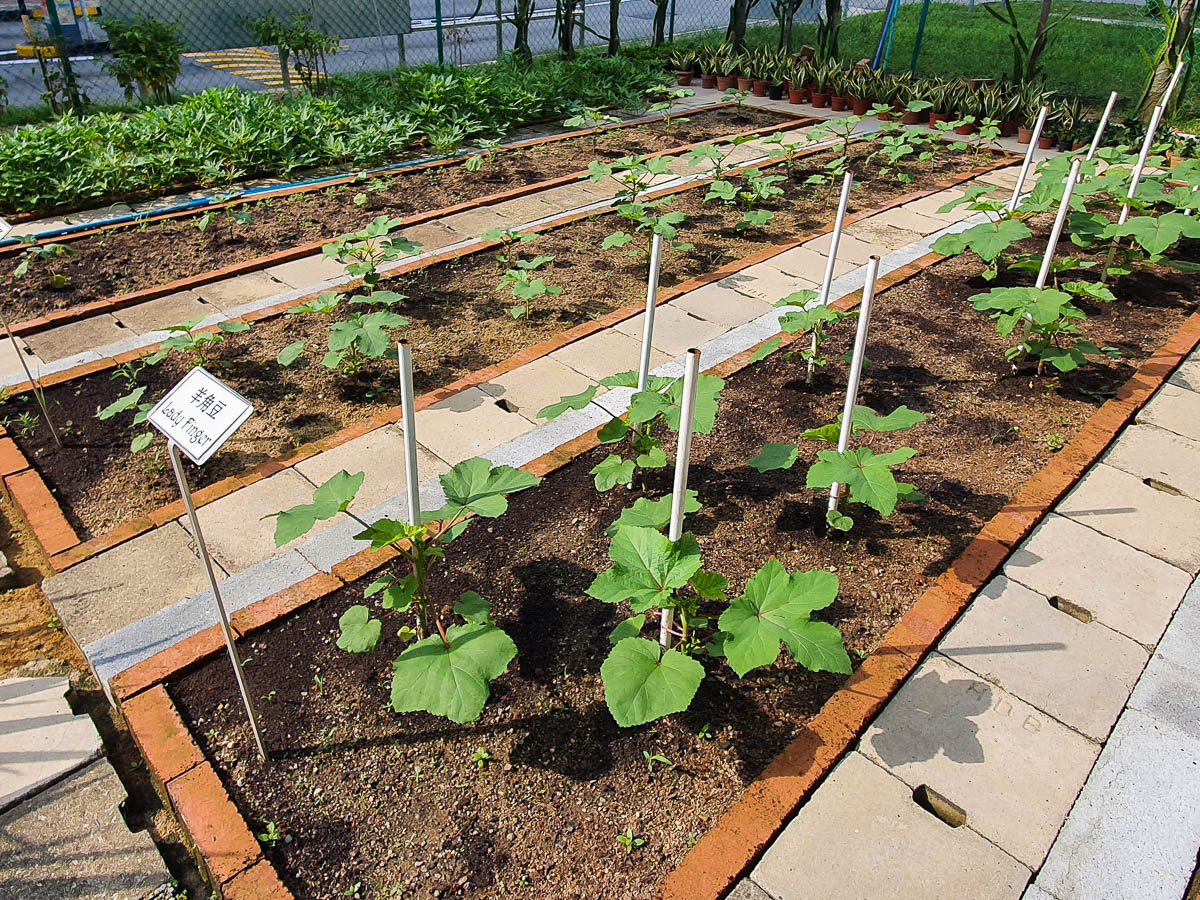
Stakes serve a similar function to trellises in that they also support plants, but they are much smaller and are usually temporary.
Netting
.jpg)
Netting structures are the first line of defense against pests, harsh sun, and heavy rain for vulnerable plants. Dedicating specific parts of the garden for netting and having allowances for the netting structure will make pest and seedling management easier.
Hardscapes for gardeners
Pathways
.jpg)
Pathways are the main way people are going to navigate in a garden, and are thus important in providing accessibility, defining areas, and determining how gardeners can use the space.
Shelters
.jpg)
Shelters are an important amenity for gardeners as it provides protection from the weather and a convenient bonding space for communities. They do however take up a large footprint, thus making them better suited for larger gardens.
Storage
.jpg)
Storage facilities will help to keep a garden neat and functional. Singapore's tropical and humid climate will cause metal to rust, bags to break, and plastic to degrade when exposed to sun and rain. Keeping tools, compost, fertilisers and pesticides in a storage facility is the cheapest way to prevent wasting these materials!
Water Points
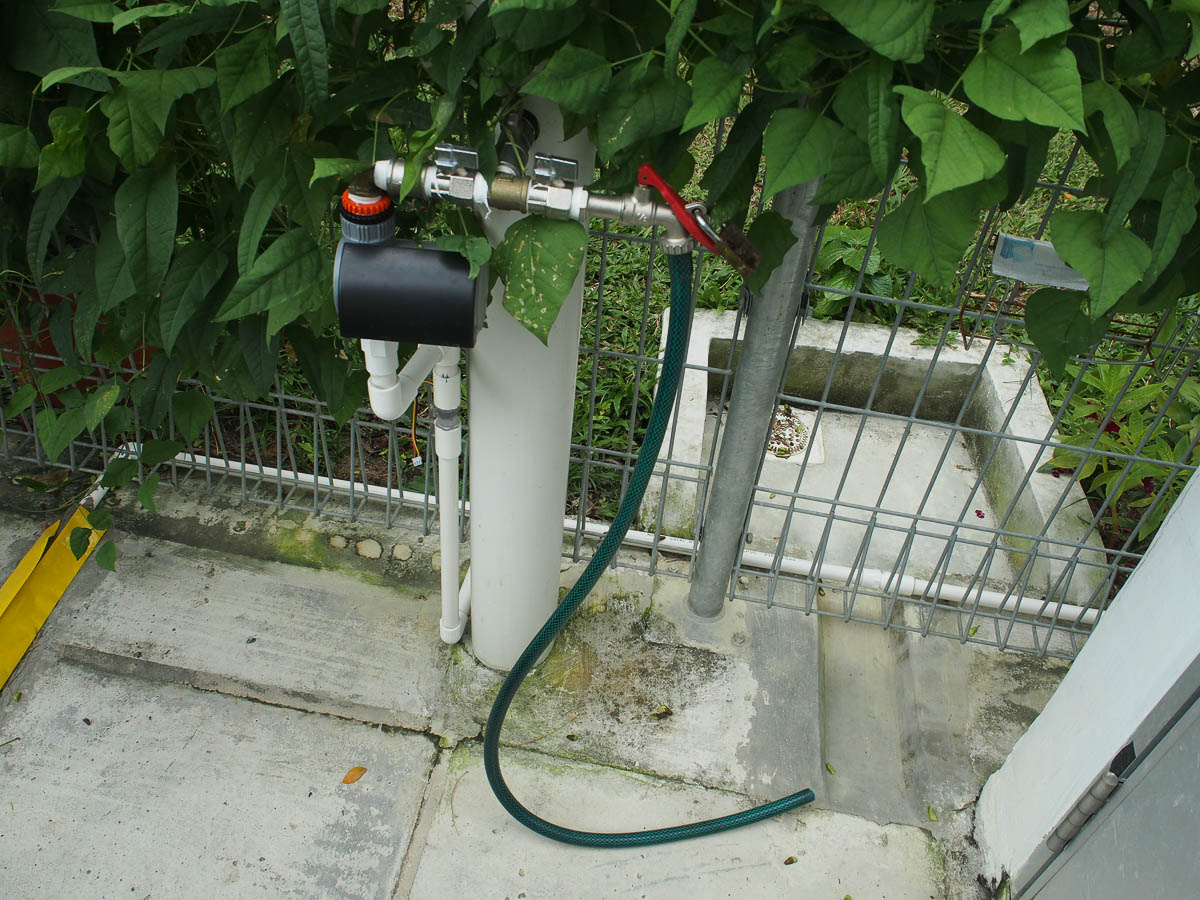
Water points are needed within a garden so that gardeners can water their plants easily. Standing taps, sinks, and irrigation points are all sources of water that can be used to keep a garden growing well.