
Plant problems
Waterlogging
3 October 2023
What's wrong
Environmental stress
Learn about the symptoms of waterlogging and how to resolve it.
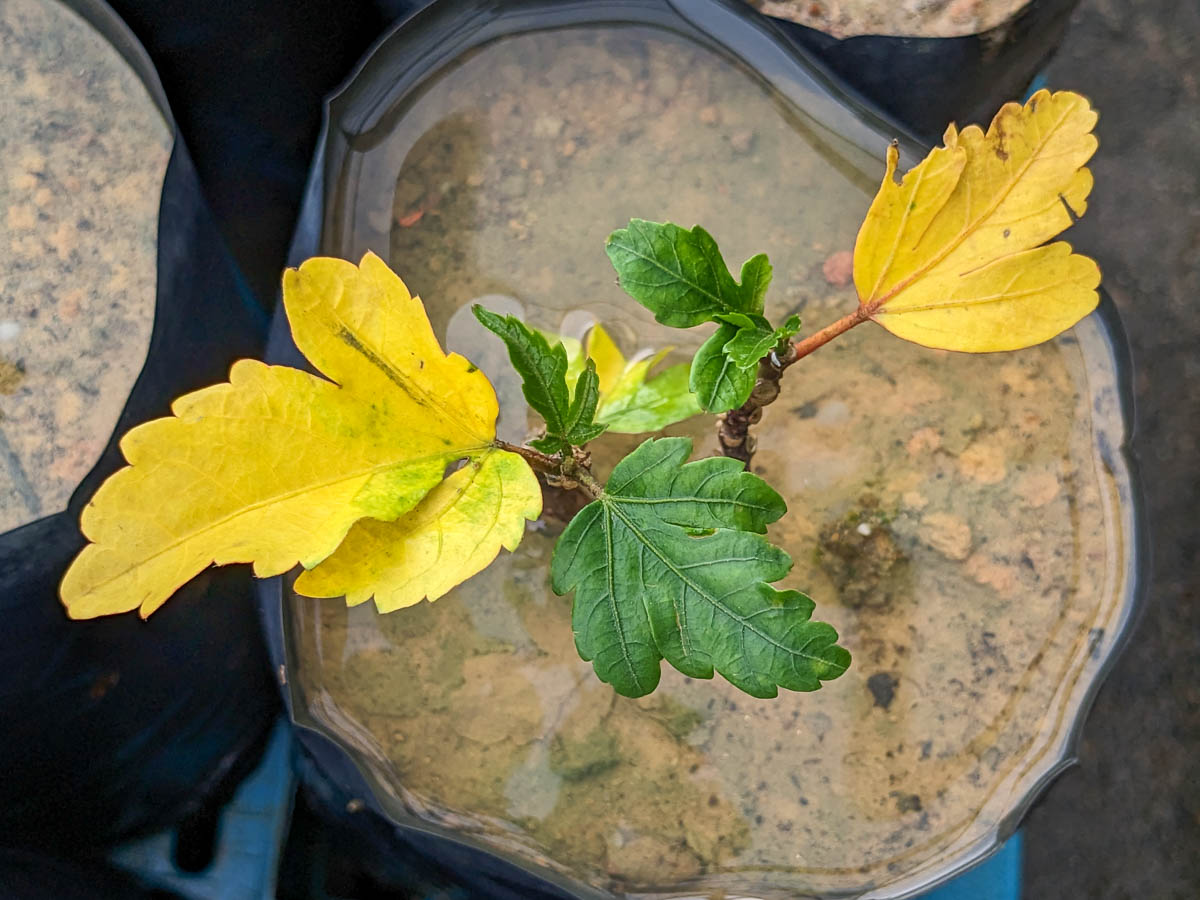
Waterlogging refers to the full saturation of soil with water. When water is unable to drain away from soil, oxygen will get used up by soil microorganisms and the roots of existing plants, resulting in anaerobic conditions. This will eventually lead to roots suffocating and dying, making waterlogging a major cause of root rot. Persistent waterlogging may also cause nutrient deficiencies as plants are unable to absorb the nutrients due to root damage, nutrients washing away, and a host of other reasons.
Some soils can be naturally waterlogged, particularly if they consist of heavy clay, are located at the bottom of a large hill or valley or have impenetrable layers beneath them like concrete or stone. These usually result in ponds or swamps forming in nature, but this can also sometimes be seen as persistent puddles in urban areas.
Symptoms
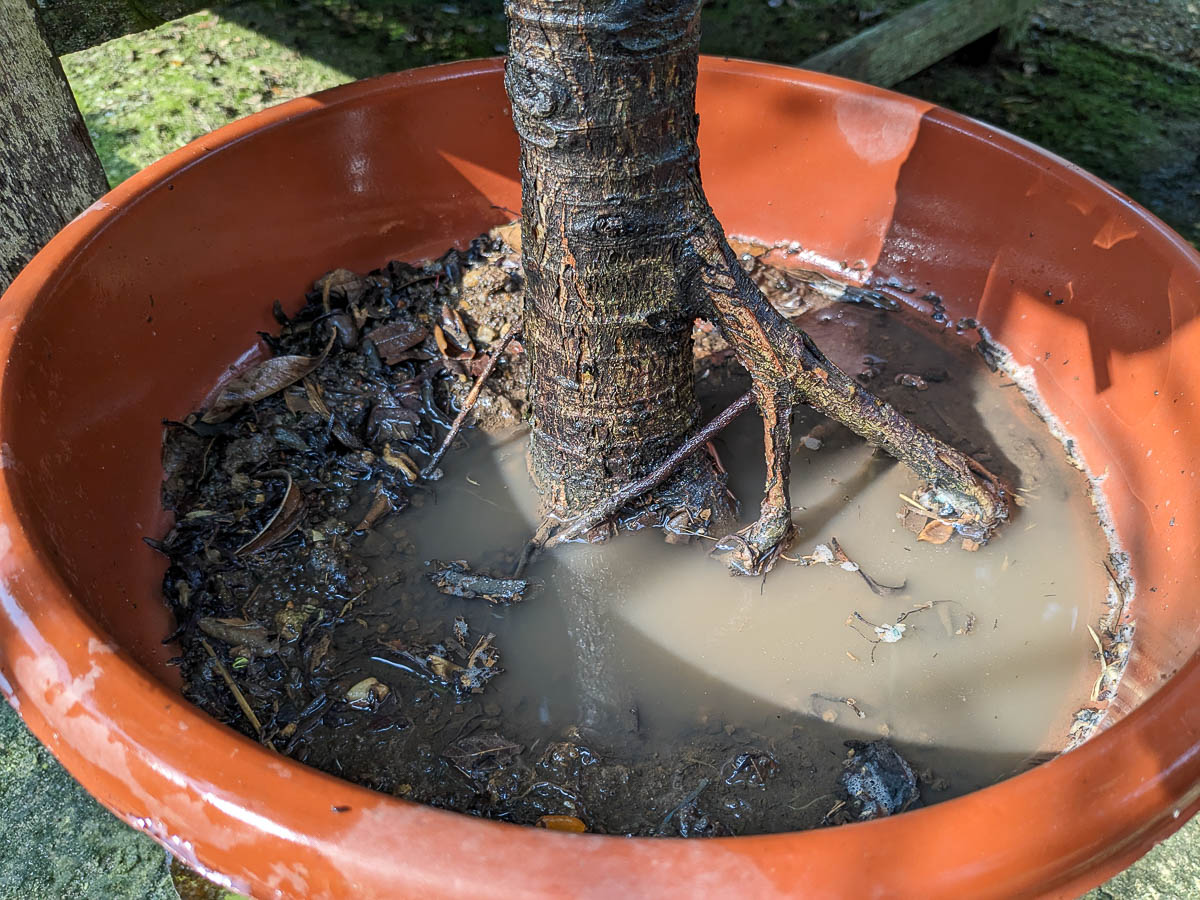
Waterlogging is usually characterized by water remaining at the surface of soil for more than a day, having very wet and damp soil despite dry conditions, and observing root rot in plants. There may also be a stale, foul smell from the soil and water.
Treatment
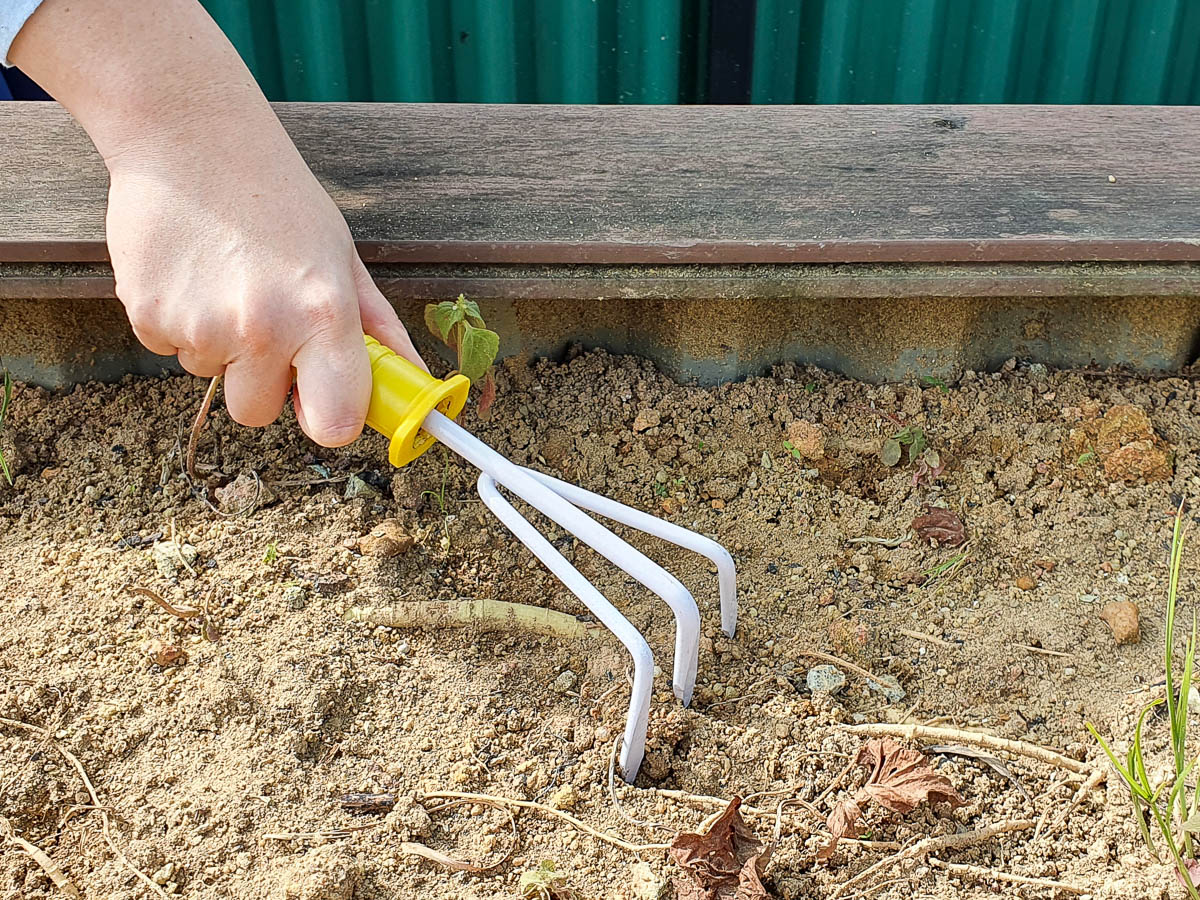
Waterlogging is generally resolved by providing drainage for both true ground and container planting. This can be done in the following ways:
Using physical structures to provide drainage
Dig a subsoil drain next to a true ground plot to channel water away
Unclog or make drainage holes in pots and planter beds
Amending soil
If the soil is heavy, hardened clay, it can be lightened by:
Being broken up into smaller pieces with a shovel or hoe
Being broken up by growing waterlogging-tolerant crops like kang kong, pandan, or taro
Adding organic matter like compost or cocopeat